 Centre for Social Innovation Studies
香港中文大學香港亞太研究所社會創新研究中心
Centre for Social Innovation Studies
7 MAR, 2026
Living with a Flooded Future|浸出個未來


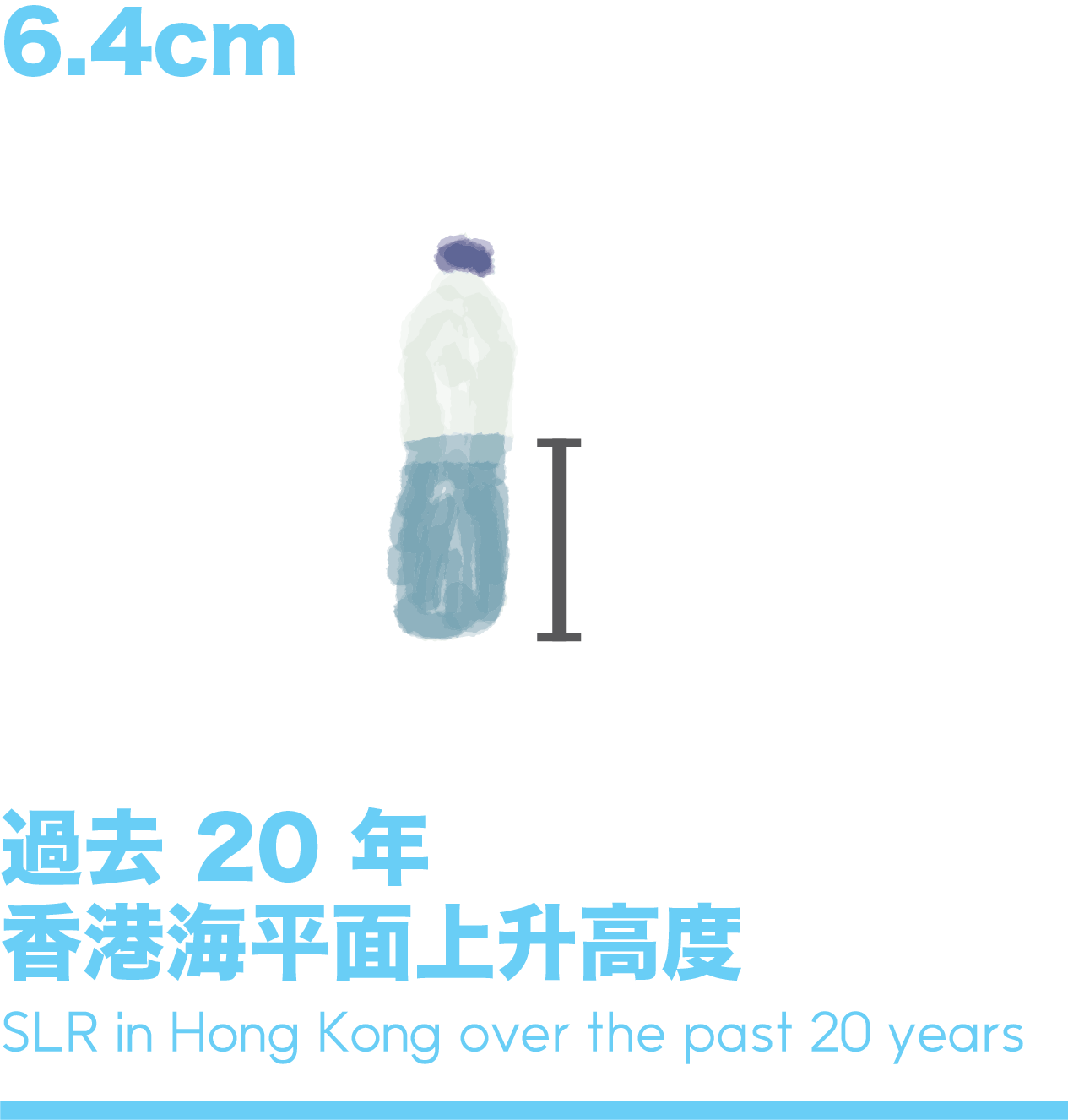
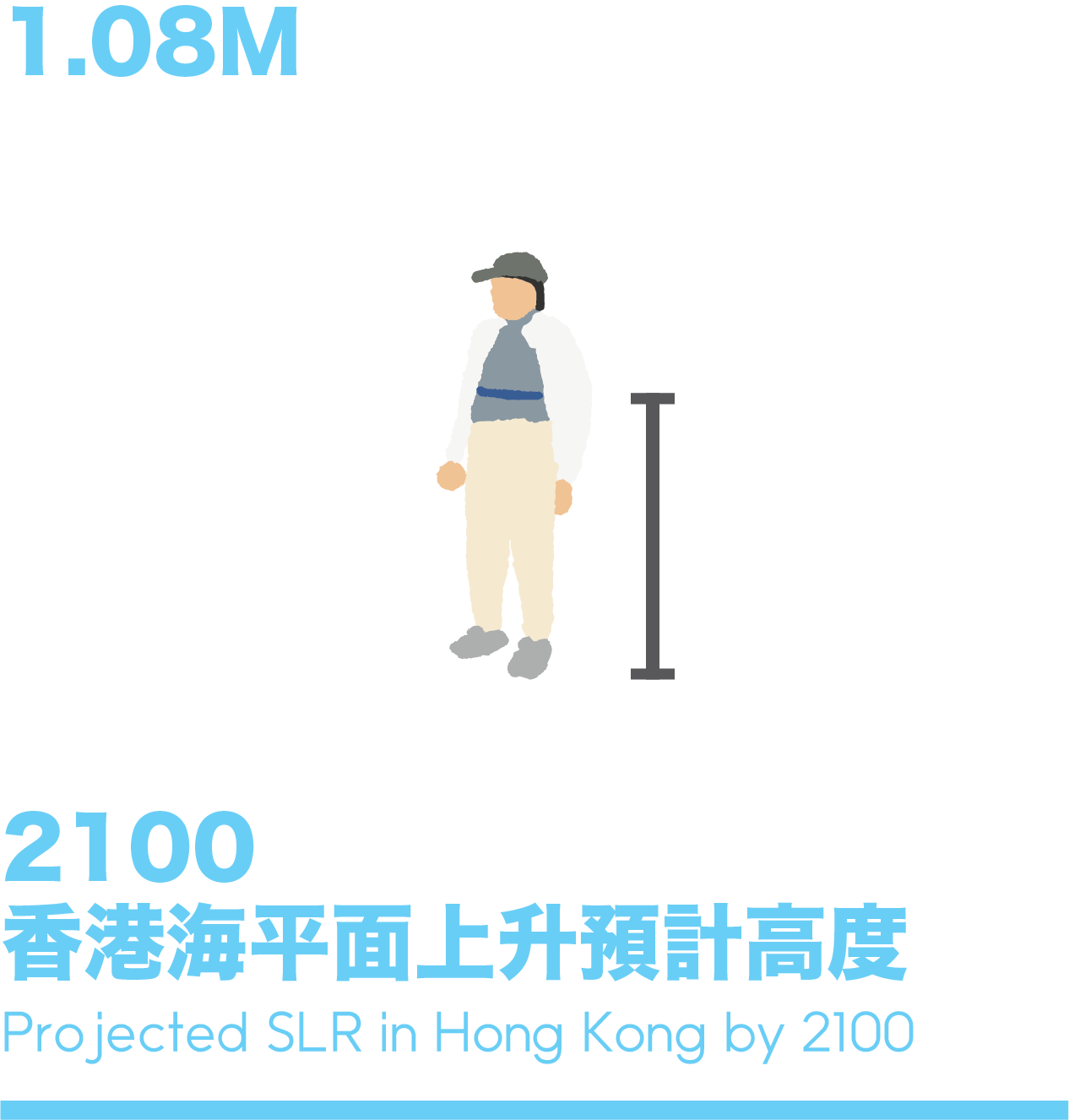
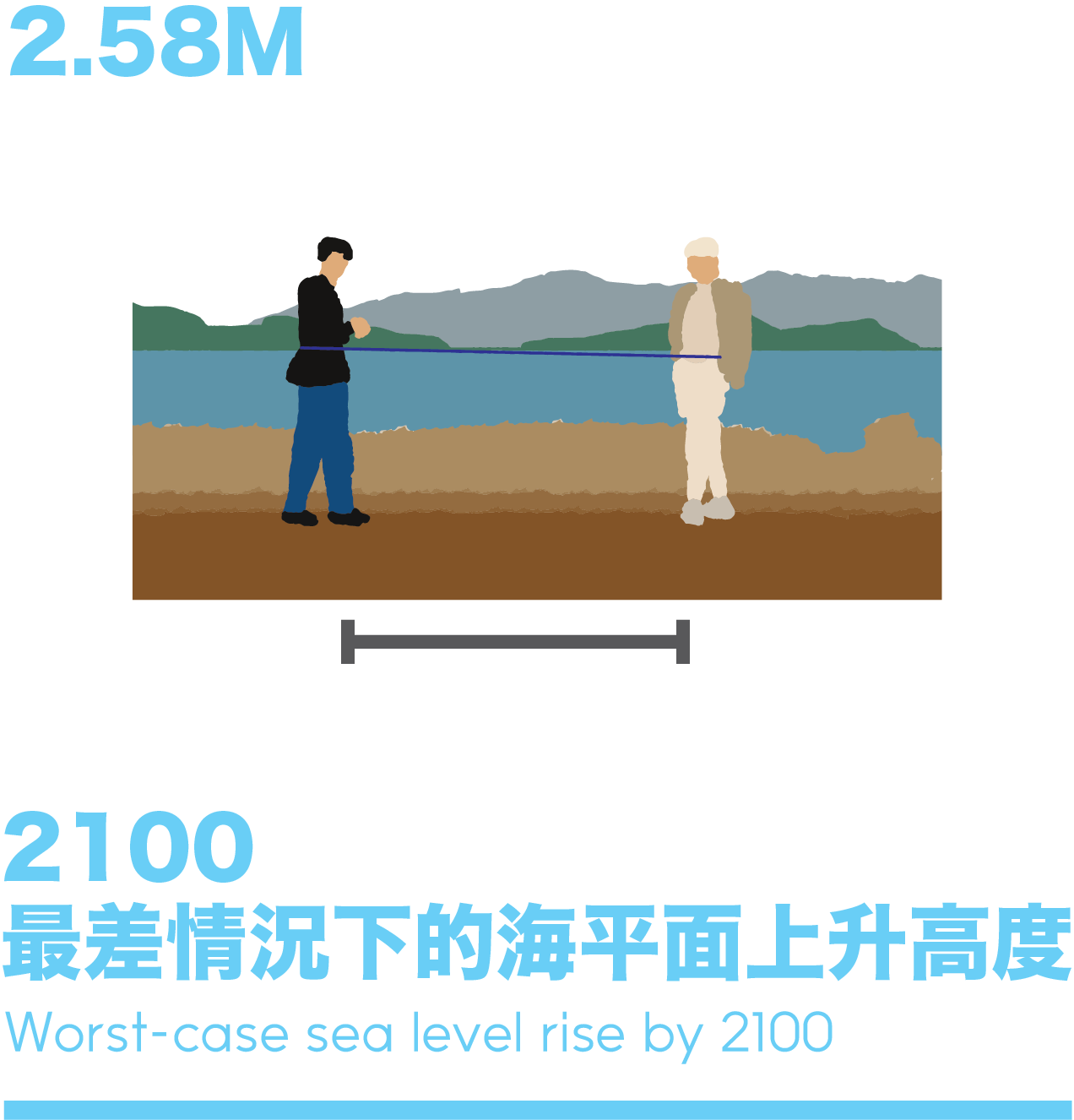
一件簡單的物件、一組數字,或一次偶然展開的提問,往往已足以讓對話開始。3月7日,社會創新研究中心邀請藝術家白雙全與 CWR 的 Jamie Chan,在馬鞍山和「浸出個未來」的參加者,透過散步、觀察與交流,重新接近海平面上升這個看似遙遠卻正在逼近的議題。從商場、公園到海灘,參加者在公共空間中與陌生人相遇,嘗試把原本常見於課室、講座與科學討論中的氣候問題,帶進日常生活的場景之中。
在這個過程裡,藝術與行動成為一種介入現場的方法,也成為連結科學、數據與地方經驗的媒介。那些原本抽象的數字,不只是報告中的資訊,而是在身體的移動、空間的轉換與與人的互動之中,逐漸轉化為可以被感受、被想像、被討論的經驗。無論是一個塑膠水瓶、一段路徑,還是一場短暫的對話,都讓氣候變遷從宏大的全球敘事,回到具體而細微的生活現場。
從參加者的角度來看,藝術不只是表達觀念的形式,更是一種與社區、人群和環境建立接觸的方式。當行動發生在真實的公共空間之中,當提問面向的是眼前經過的途人,藝術便不再停留於展示或說明,而成為一種打開關係的方法。正是在這些不經意卻深刻的相遇裡,藝術行動與公眾參與慢慢產生了連結,也讓海平面上升不再只是遙遠的未來預警,而成為一個能夠被共同感知與回應的當下課題。
當氣候危機被帶回地方、帶回身體、帶回人與人的相遇之中,我們是否也能由此開始,重新思考自己可以如何回應這個正在到來的未來?
A simple object, a set of numbers, or a question that arises by chance is often enough to begin a conversation. On March 7, the Centre for Social Innovation Studies invited artist Pak Sheung Chuen and Jamie Chan of CWR to lead participants of Living with a Flooded Future in Ma On Shan, where walking, observation, and exchange became ways of reapproaching sea-level rise as an issue that may seem distant, yet is steadily drawing closer. Moving from the shopping mall to the park and the beach, participants encountered strangers in public space and tried to bring a climate issue more commonly found in classrooms, lectures, and scientific discussions into the scenes of everyday life.
In this process, art and action became both a way of intervening in the site and a medium for connecting science, data, and local experience. Numbers that might otherwise remain abstract were no longer just information in a report; through bodily movement, shifting spaces, and interaction with others, they gradually became experiences that could be felt, imagined, and discussed. Whether through a plastic water bottle, a route taken on foot, or a brief conversation, climate change was brought back from a grand global narrative to the concrete and subtle textures of lived reality.
From the participants’ point of view, art was not merely a form of expressing ideas, but also a way of coming into contact with community, people, and environment. When action takes place in real public spaces, and when questions are directed toward passers-by in the moment, art no longer remains at the level of display or explanation, but becomes a way of opening up relationships. It is precisely through these unplanned yet meaningful encounters that artistic action and public participation gradually became connected, allowing sea-level rise to be understood not only as a distant warning about the future, but as an urgent issue in the present that can be collectively sensed and responded to.
When the climate crisis is brought back to place, back to the body, and back to encounters between people, might this also be where we begin to rethink how we can respond to the future that is already approaching?


 Chinese